Themes

Three threads

Three questions run through my work so far. I keep coming back to them in studio, in competitions and in practice.

01 · Construction and detailing

Making it buildable

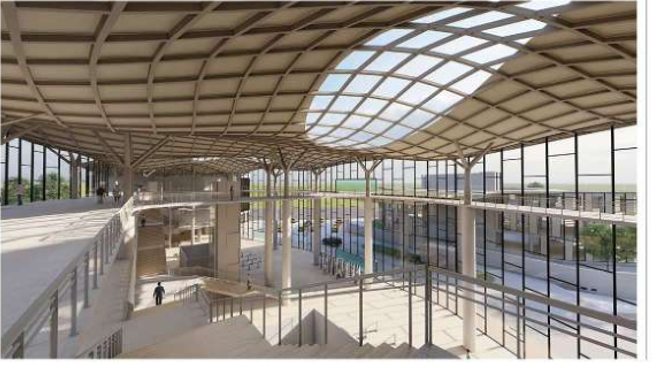
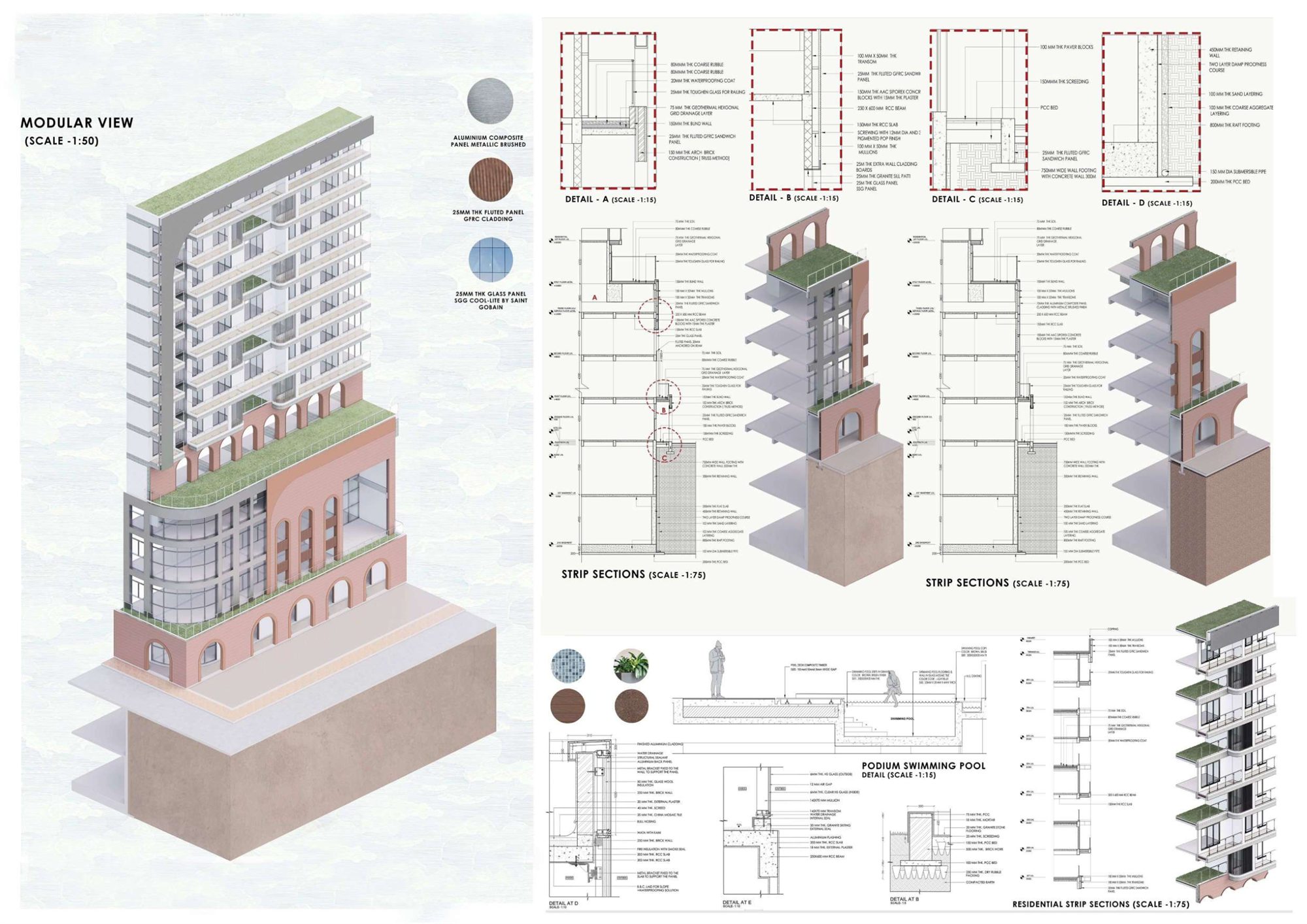
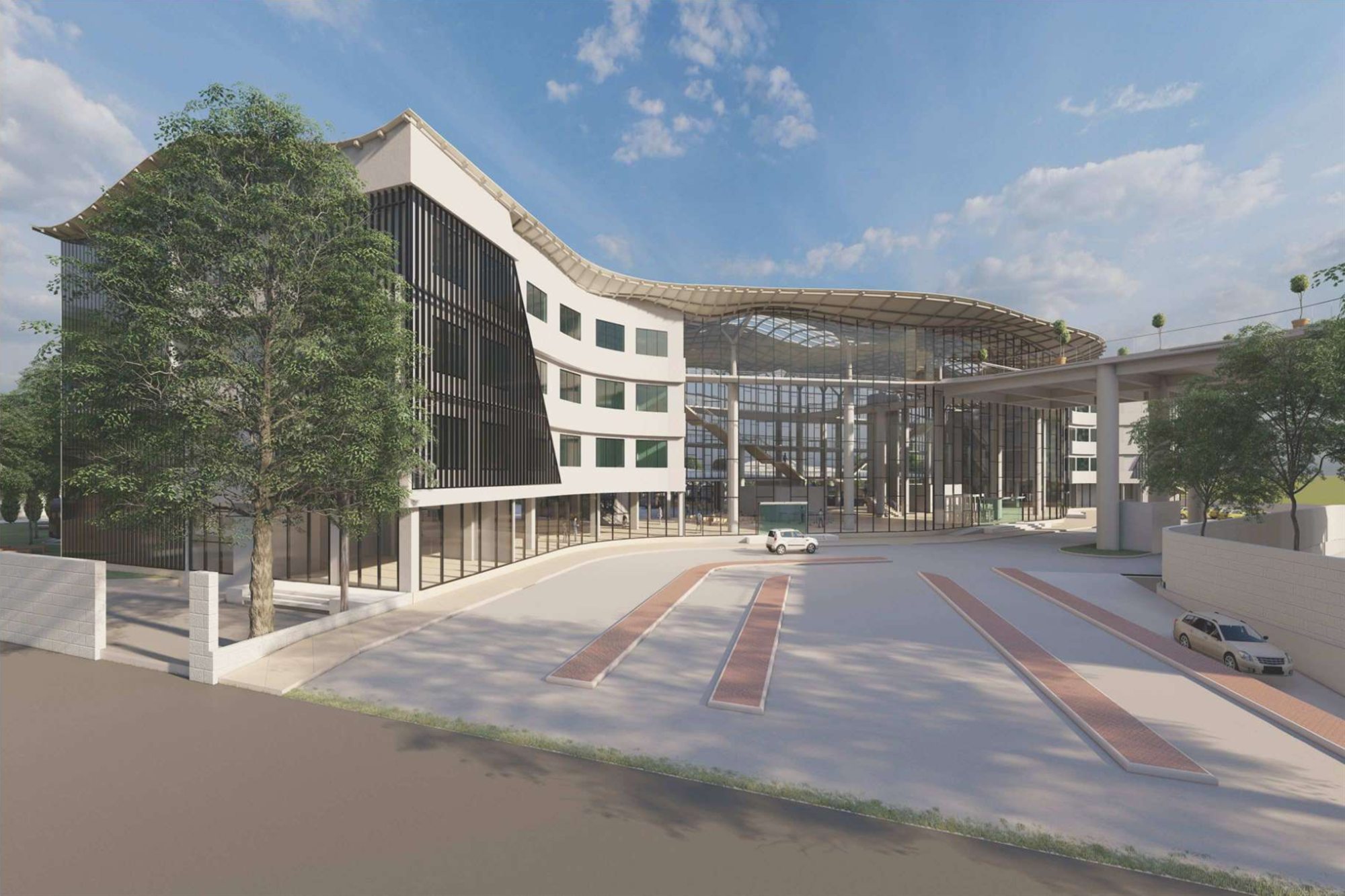
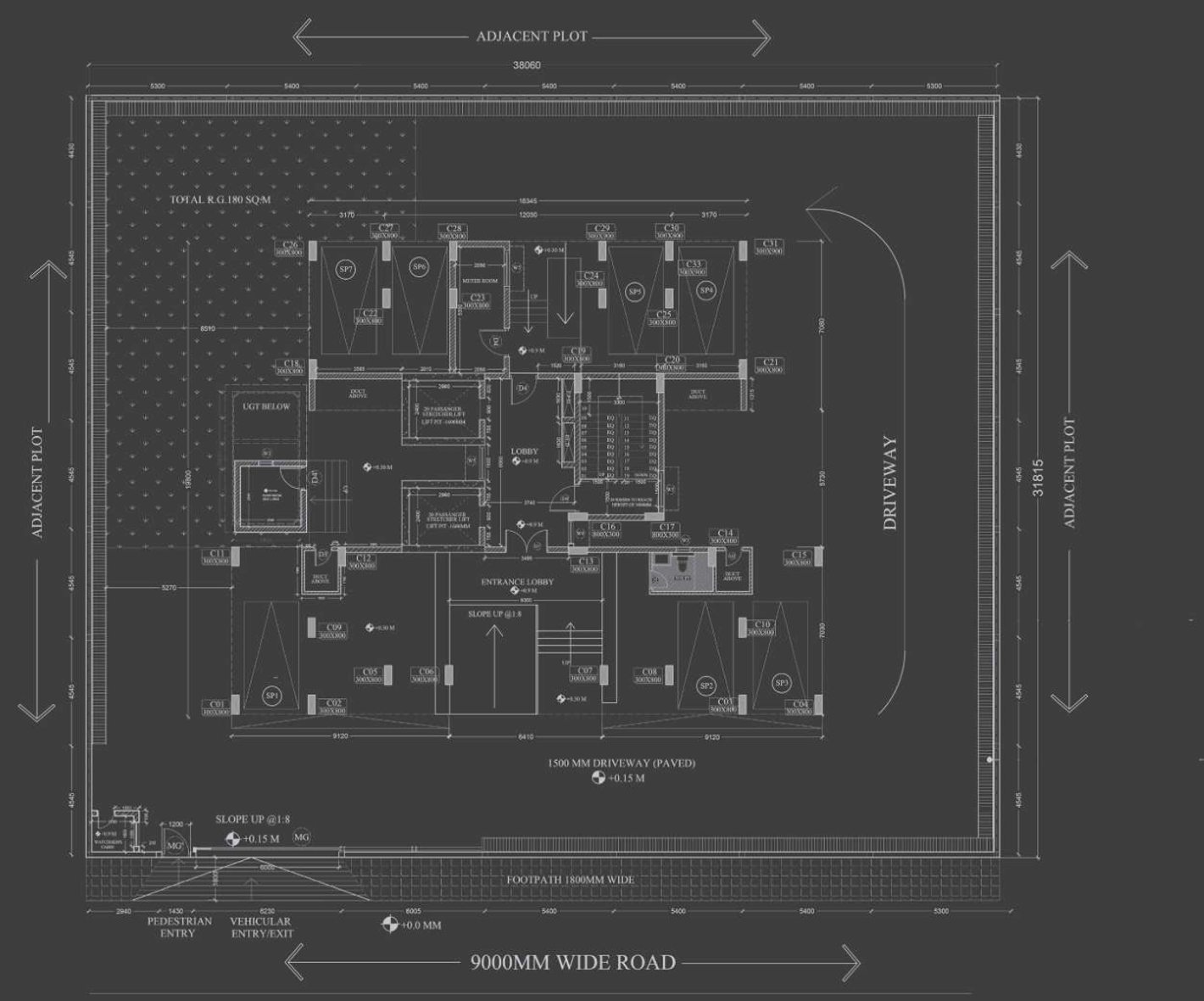
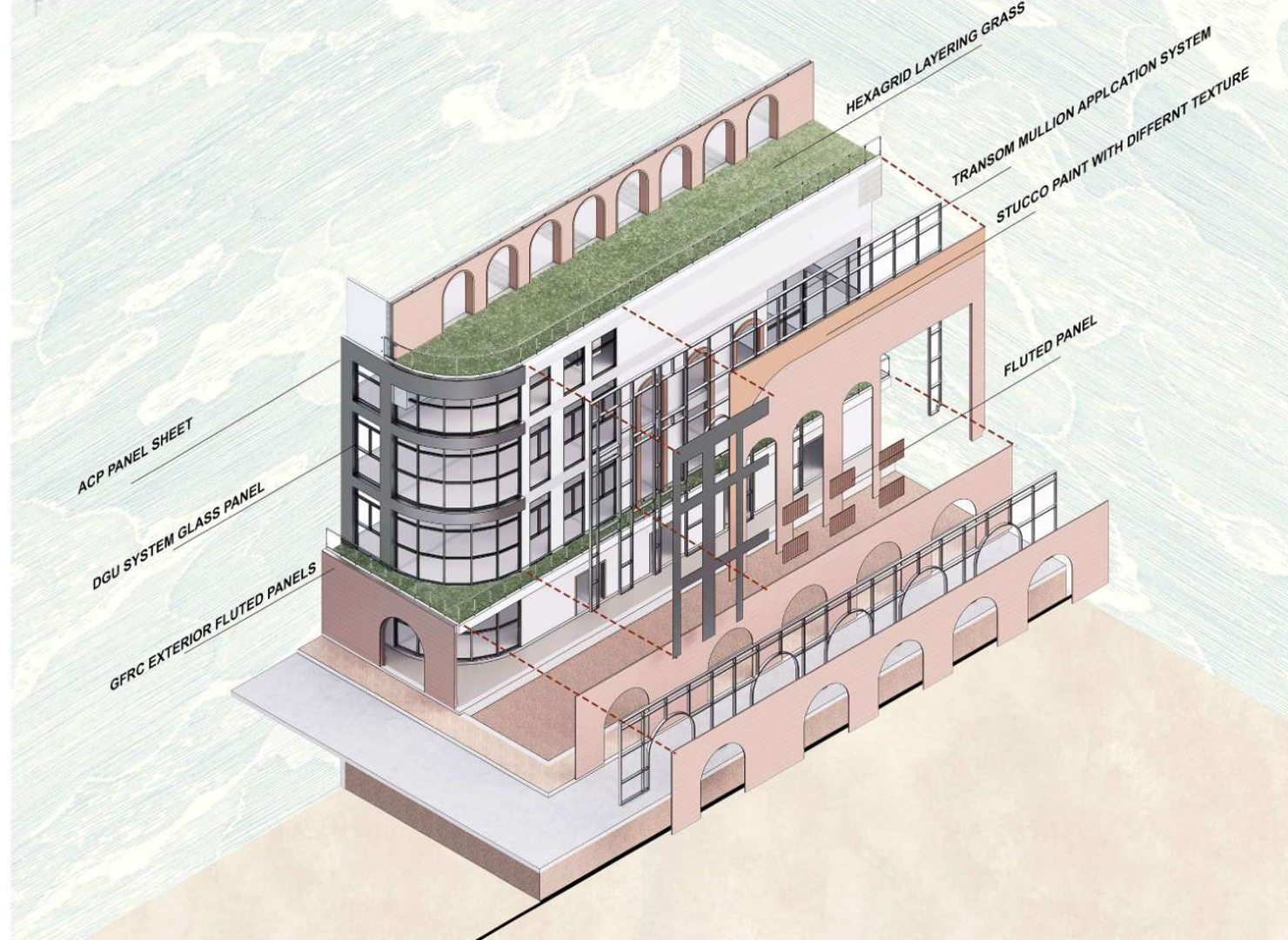
The part of architecture I return to most is the moment a design has to become buildable. Producing the working drawings for a twelve-storey residential building taught me how a column grid, a lift core and a kitchen counter are each described for the people who will build them. I carried my thesis, Haven, down to strip sections at 1:75 and details at 1:15, from GFRC cladding and glazing systems to a podium swimming pool, and worked out the steel tree structure that carries the roof of Transit Oasis.

Practice has sharpened this. As an intern I prepared schematic details, construction documentation and material specifications, visited sites to understand construction methods, and worked on green building calculations and certification documents. As a medical planner today, I work on buildings where coordination between architecture, services and clinical needs decides whether a design works at all. I am interested in how projects are planned, sequenced and delivered, and in the decisions that let a good idea survive on site.
02 · Urban design

Repairing the inner city

Mumbai keeps rebuilding itself, often by replacing what was there with buildings that turn inward and away from the street. Much of my academic work asks how new development can repair the city instead: how it can add density and new uses while keeping the street, the community and the memory of a place.

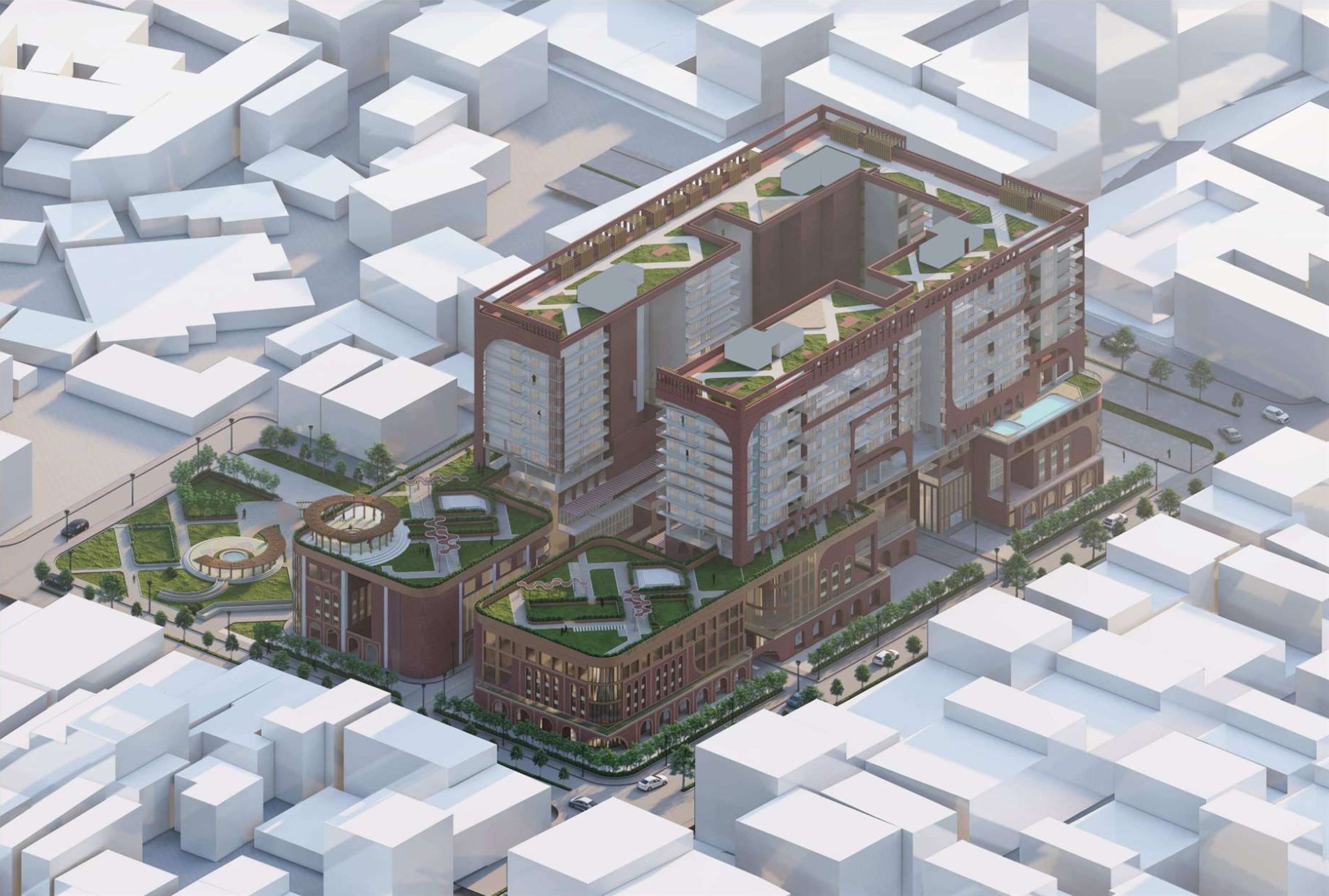
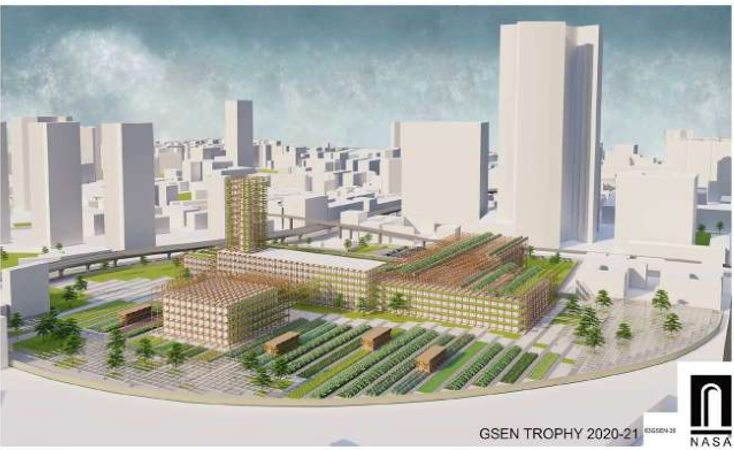
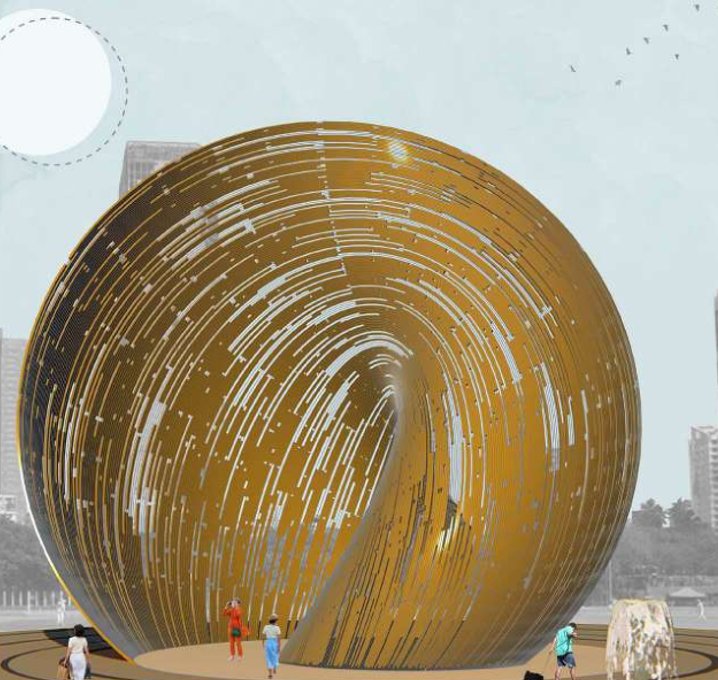
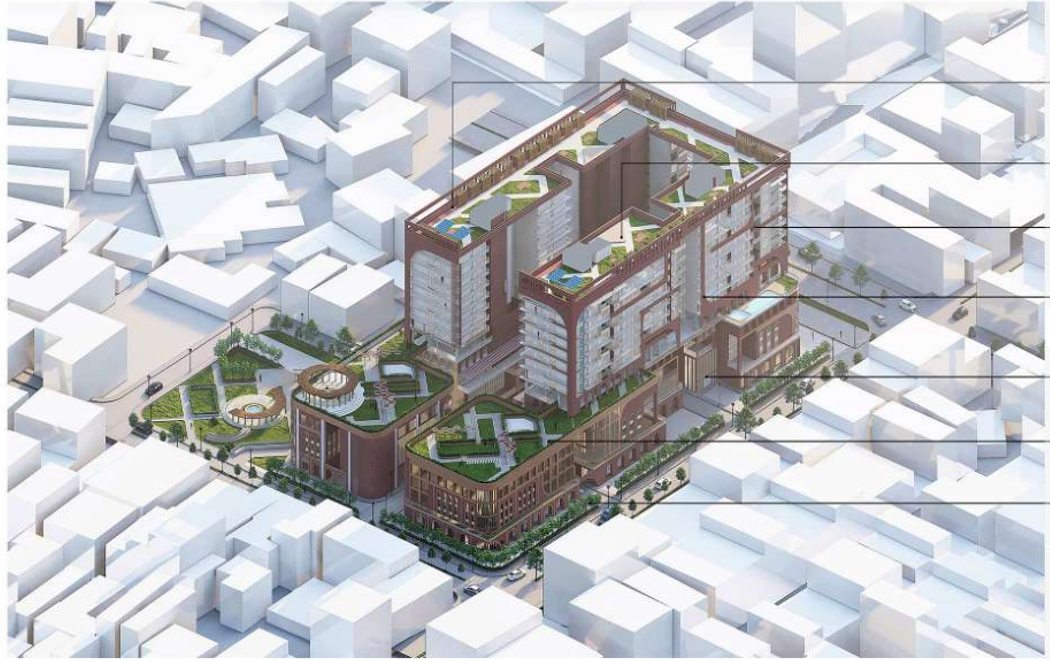
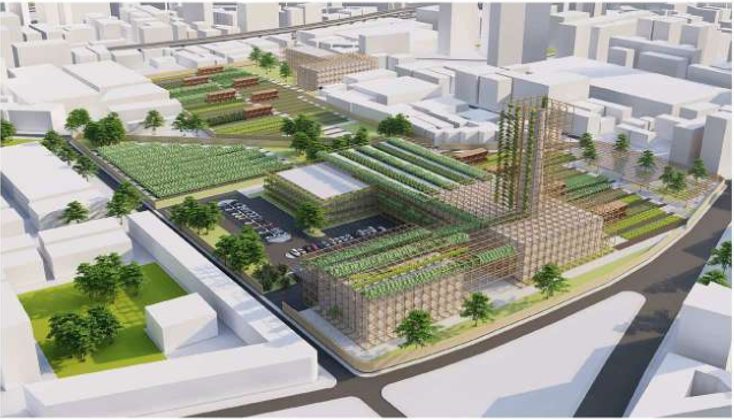
Haven, my thesis, proposes a mixed-use neighbourhood for Bhuleshwar, one of the city's oldest market precincts, planned around pedestrian streets and public gardens and built in a language drawn from its brick arcades. Urban Agroviands reimagines the defunct mill lands of Lalbaug as farms and food parks woven into everyday public space. Swatanya turns a neglected edge of Shivaji Park into a place of remembrance, and Transit Oasis treats a bus terminal as civic infrastructure that shapes how people arrive in a city.

03 · Sustainability and the vernacular

Climate, craft and context

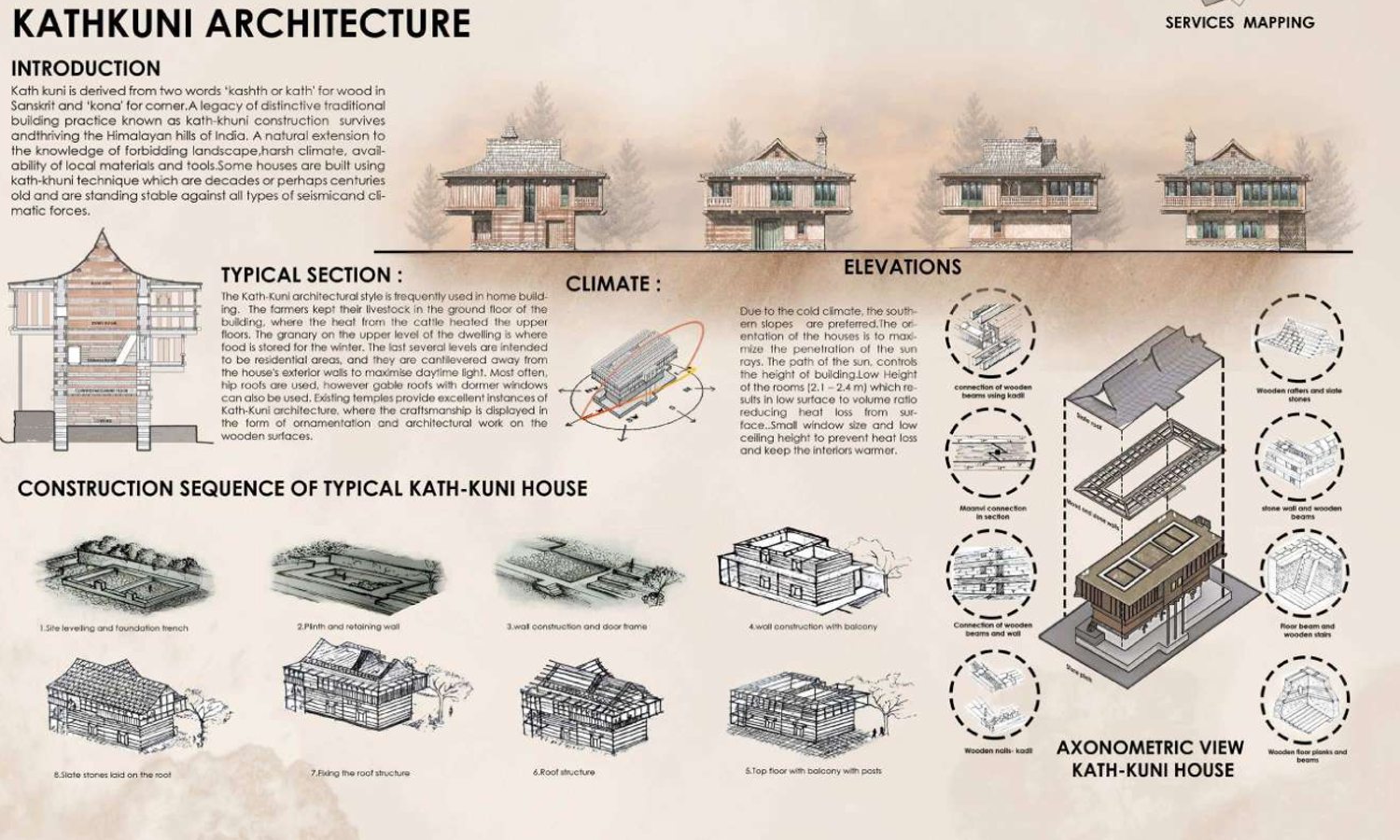
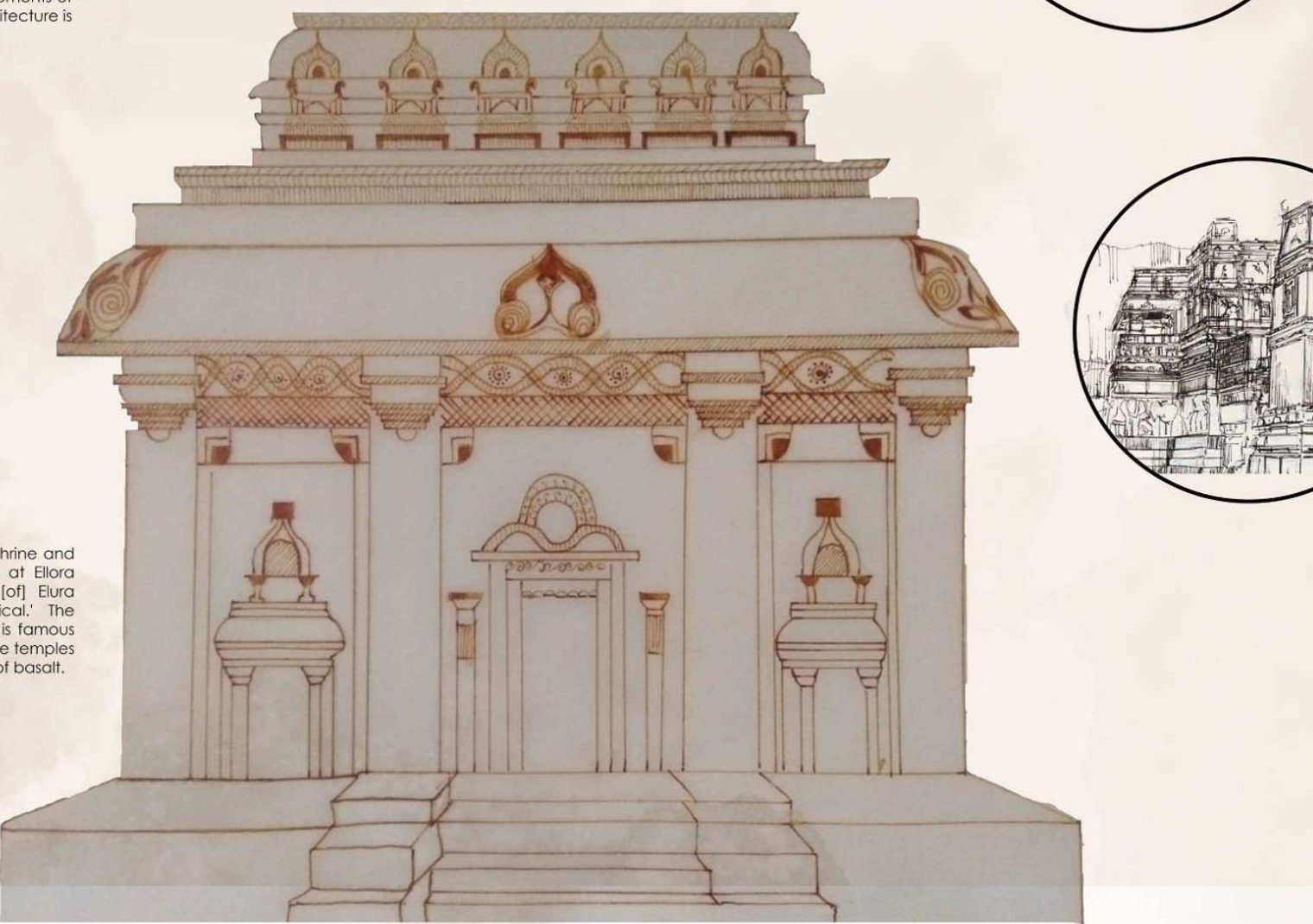
Long before air conditioning and engineered façades, buildings had to answer to climate and material directly. Documenting Rumsu, a village near Manali, showed me how much a vernacular tradition knows. Kath-Kuni houses layer timber and stone to withstand earthquakes, keep livestock below to warm the rooms above, and turn towards the sun on south-facing slopes. At Ellora, the Kailasa temple taught a different lesson in material: an entire building carved out of a single mass of basalt.

I try to carry that attention into contemporary work. Haven uses green roofs, shading, solar panels, natural ventilation and daylight to reduce its reliance on mechanical systems. Urban Agroviands builds in bamboo and grows food with aeroponics where space is tight. In practice I have prepared green building calculations and IGBC certification documentation, and I am pursuing the IGBC Accredited Professional credential.